
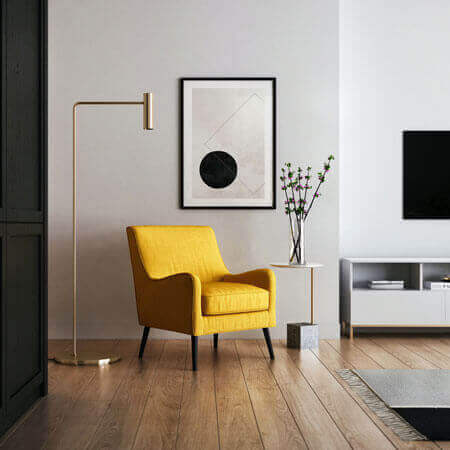
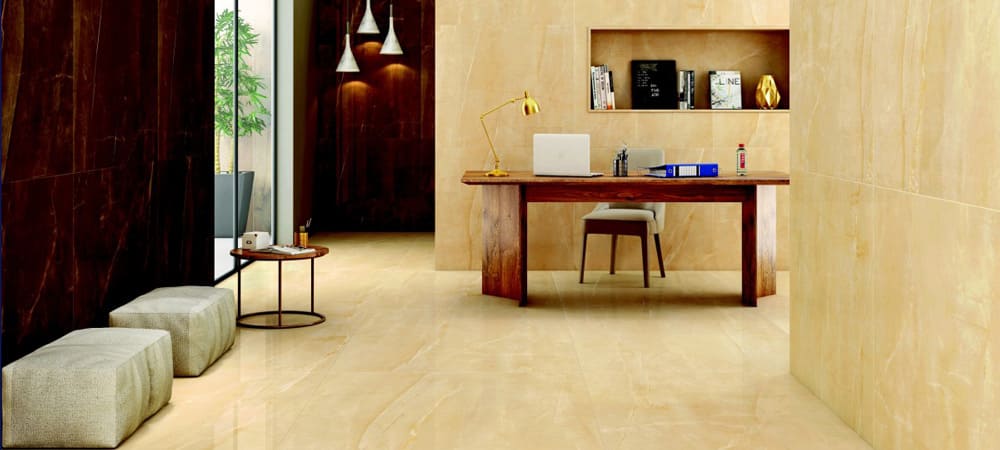
When it comes to designing or renovating your dream home, every choice matters. From layouts to lighting and, most importantly, the materials you use, each decision directly impacts the look, feel, and functionality of your space. Among the most debated interior design decisions is selecting the right surface materials: marble, wood, or tiles. Marble can be used for sophisticated countertops or a grand entrance. Understanding their differences can help you choose the right fit for each part of your home.
Let’s explore the advantages and disadvantages of marble, wood, and tiles so you can make informed decisions that suit your lifestyle, interior theme, and long-term goals.
Marble Elegance that Lasts
Marble has long been considered a premium choice for luxurious interiors. With its glossy finish, natural veining, and timeless charm, marble continues to be a favorite in foyers, bathrooms, and countertops.
Advantages of Marble:
- Visual Appeal: Each marble slab is unique in its veining and tone, instantly elevating your space.
- Heat Resistance: Makes marble ideal for kitchen counters and fireplace surrounds.
- Real Estate Value: Adds a premium feel, often increasing the resale value of the property.
Disadvantages of Marble:
- Porous Nature: Can easily stain if not sealed properly and regularly.
- Delicate: Over time, prone to dullness, scratches, and cracks.
- High Cost: The cost of the material and installation is somewhat high.
Wood's Natural Warmth and Timelessness
Wood is synonymous with comfort and character. Engineered hardwood and traditional teak provide warmth and coziness that few materials can equal.
Advantages of Wood
- Insulation: Naturally aids in keeping interior temperatures comfortable.
- Design Flexibility: Works with a variety of aesthetics from Scandinavian to rustic.
- Long Lifespan: With the right care, wooden flooring can last for many generations.
Disadvantages of Wood
- Moisture Sensitive: Not ideal for kitchens or bathrooms without proper sealing.
- Maintenance Heavy: Requires polishing, buffing, and occasional repair.
- Price Range: Solid hardwood is costly, while cheaper laminates may not be as durable.
Tiles: Durable and Versatile
Tiles offer the most diversity in color, pattern, and finish. Whether you're tiling a bathroom, kitchen, or even living area, tiles offer a durable and cost-effective solution.
Advantages of Tiles
- Low Maintenance: Easy to clean and highly resistant to stains and moisture.
- Wide Variety: Comes in ceramic, porcelain, vitrified, mosaic, and more.
- Budget Friendly: Options available across price points.
Disadvantages of Tiles
- Cold Surface: In colder locations, tiles can be particularly uncomfortable to walk on.
- Hardness: May not provide comfort for long hours of standing or walking.
- Slippery When Wet: Needs slip-resistant options for wet areas.
Where Should You Use Each Material?
The answer depends on the function and feel you want in each room. Marble can be used for sophisticated countertops or a grand entrance. Opt for wood in bedrooms and lounges for a warm and cozy ambiance. Choose tiles in kitchens and bathrooms for their practicality.
To see how these materials come to life in professional designs, take a look at a creative architectural design portfolio. These curated examples can show how smart layering of materials can create stunning interiors while maintaining functionality.
In Hyderabad, where climate and cultural preferences influence interior choices, many homeowners consult the Best Interiors in Hyderabad to understand how to blend modern trends with practical needs. A skilled interior designer can help you visualize the long-term use of each material, guide your budget allocation, and source high-quality products locally.
Tips to Make the Right Material Choice
Budget Planning: Always match material choices to your budget and prioritize areas where luxury matters most.
- Climate Suitability: Consider the local climate. For example, wood might not be ideal in highly humid areas.
- Usage Pattern: High-traffic areas need durable and low-maintenance materials like vitrified tiles.
- Lifestyle Needs: If you have pets or young children, opt for scratch-resistant and easy-to-clean surfaces.
- Long-Term Maintenance: Know the upkeep each material demands; some need sealing, polishing, or periodic replacement.
Beautiful but The choice between marble, wood, and tiles is ultimately personal, but it should be informed by practicality, aesthetics, and long-term goals. Every material contributes something worthwhile:
- Marble adds elegance and grandeur
- Wood brings warmth and a natural vibe
- Tiles offer durability and design freedom
Working with experienced designers and exploring diverse portfolios can help you strike the right balance between style and substance. No matter what you choose, invest in quality and expert guidance to ensure your space is not just beautiful but built to last.