
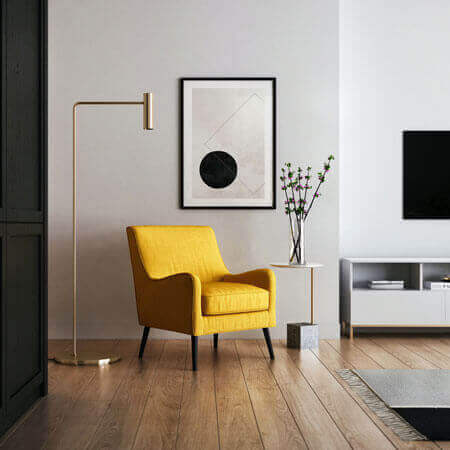
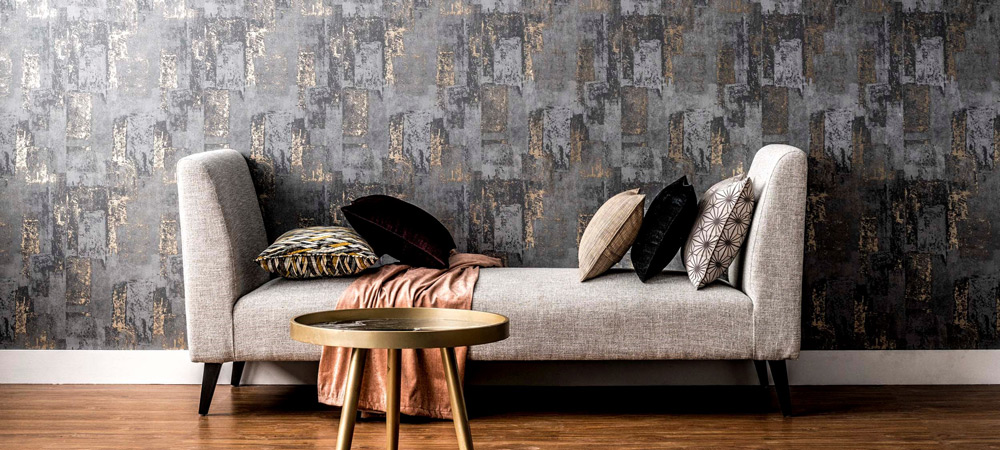
Comfort and style don't have to be sacrificed in order to live in a tiny place. Whether you’re dealing with a compact apartment, a tiny bedroom, or a modest studio, smart interior design choices can help your home feel more open, organized, and breathable. With the right layout, color palette, lighting, and furniture, you can create the illusion of space even in the smallest of rooms.
In this blog, we’ll explore practical tips and creative ideas that make small spaces appear bigger, brighter, and more functional.
1. Light Colors Open Up the Room
Color has a powerful effect on how we perceive space. Lighter shades reflect more light, which naturally makes a room feel larger. Whites, creams, soft greys, and pastel hues help bounce sunlight around the space and reduce visual clutter. To maintain a unified and spacious appearance, use a light and neutral color scheme for the walls, ceilings, and even furnishings.
If you want to add contrast, consider using deeper tones in small accents like cushions, throws, or artwork rather than covering large surfaces with dark colors.
2. Use Mirrors to Reflect Light and Depth
Mirrors are one of the oldest interior design tricks to create the illusion of a larger room. Placing a large mirror opposite a window reflects natural light and expands visual space. Mirrored furniture or décor pieces are one subtle way to add dimension without being overly cluttered.
In bedrooms, a mirrored wardrobe or a statement wall mirror above the headboard can visually extend the room, making it feel twice as big.
3. Smart Furniture Selection Matters
Each piece of furniture in a small space must be worthy of its position.
Choose multi-functional items like storage ottomans, sofa beds, or wall-mounted desks that fold away when not in use. Sleek furniture with legs, rather than heavy block designs, also helps reveal more floor area, which gives the illusion of openness.
Especially in bedrooms, functionality is key. Many homeowners today turn to small bedroom design hacks & ideas that include space-saving solutions like under-bed storage, floating shelves, or vertical closets. These suggestions make the most of storage without feeling crammed.
4. Think Vertical for Storage
When there is a shortage of floor space, plan higher. Vertical shelving, tall cabinets, and hanging storage units help declutter without using valuable real estate on the ground. Mount your TV, install floating nightstands, and opt for tall bookcases that reach the ceiling.
This strategy is frequently used by the best interior designers in Hyderabad, who are experts in converting tight spaces into well-organized, functional rooms by focusing on vertical zoning. Their designs seamlessly blend aesthetics with practicality, turning small homes into efficient, stylish living spaces.
5. Declutter & Keep Decor Minimal
Clutter makes any space feel smaller. Use concealed storage and avoid overcrowding walls or shelves with too many decorative pieces. Choose a few statement items and keep surfaces clean to maintain a sense of calm and order.
Opt for a minimalist design. Philosophically, less is often more in small spaces. An uncluttered home not only looks bigger but also feels more serene and inviting.
6. Let Natural Light In
Natural light makes rooms feel open and airy. Avoid heavy curtains or dark blinds, and go for sheer drapes or light-colored window treatments instead. If privacy is a concern, consider frosted glass or thin blinds that let in light while providing coverage.
Moving your furniture around to let more light into the space can also have a significant impact. Avoid placing tall items near windows that block daylight.
7. Rugs Define Zones, Not Boundaries
An open space can have visual structure without walls by defining zones with area rugs. A rug beneath the sofa designates the living space in tiny flats or studio layouts, while another beneath the bed designates the sleeping area. Stick to rugs with light or neutral tones and avoid overly busy patterns that can make the space feel chaotic.
8. Transparent and Reflective Surfaces Add Depth
Glass tables, acrylic chairs, and glossy finishes visually occupy less space than solid or opaque materials. They create a clean and open feel that’s especially useful in cramped living or dining rooms. Choosing see-through furniture makes the room feel less crowded while still offering full functionality.
Small Spaces, Big Potential
Making a small room look bigger isn’t about expensive renovations; it’s about making intentional, thoughtful choices in design and layout. From strategic furniture placement to light color schemes, mirrors, and vertical storage, every element plays a role in creating an illusion of space.
By applying these tips and incorporating ideas from top designers, you can turn any compact area into a functional, stylish retreat that feels far from small.
Need expert help to transform your space? Consider consulting a professional to bring your vision to life with customized solutions that reflect your lifestyle and taste.